Source Eco Friendly Ceramic Pet Food Bowl for Dogs, Cats, Small Animals
Compare 30 eco friendly ceramic pet food bowl options from verified suppliers in China. Buyers can evaluate sizes, capacities, certifications like FDA and ISO, and customization features for feeding dogs, cats, and small animals; compare the available evidence and request quotations based on your requirements.
Key considerations
Products List


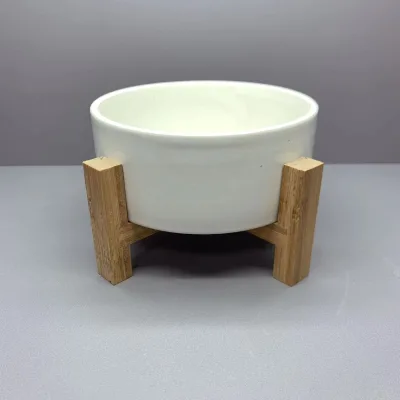


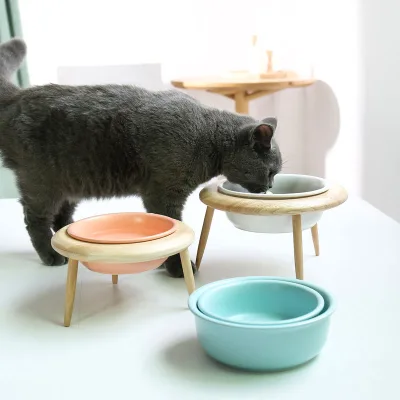
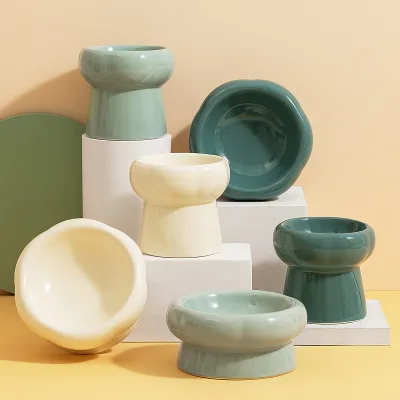


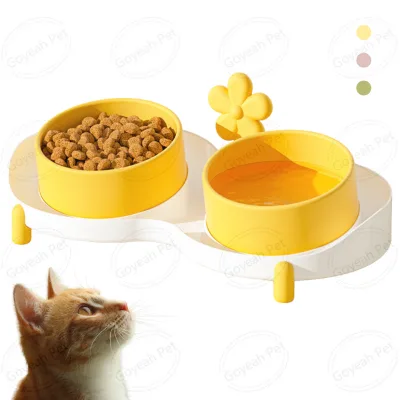
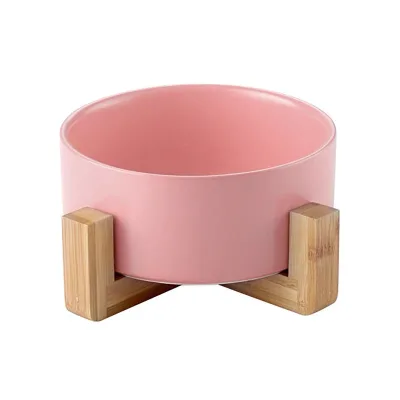


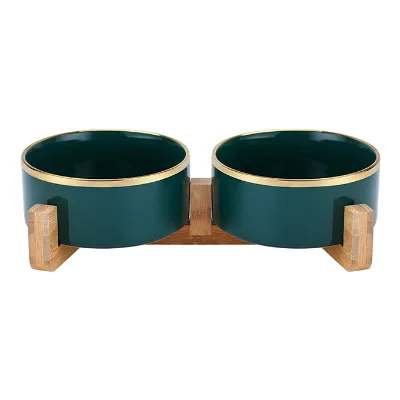
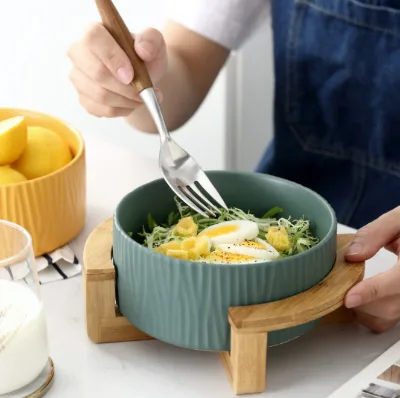
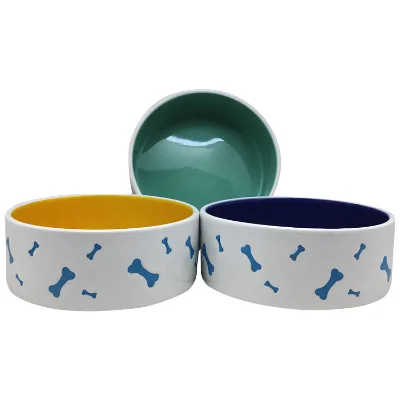
Comprehensive Sourcing Guide
Eco Friendly Ceramic Pet Food Bowl Sourcing Guide
Sourcing eco-friendly ceramic pet food bowls requires a strategic balance between material integrity, aesthetic versatility, and supply chain reliability. Buyers must navigate a market where "eco-friendly" often intersects with durable, non-toxic materials like high-fired ceramics and recyclable plastics. The observed product landscape includes items made from PP and ceramics, with origins primarily in Zhejiang, China. This geographic concentration offers access to established manufacturing hubs but necessitates rigorous due diligence to ensure that sustainability claims are backed by verifiable production practices rather than mere marketing terminology.
Procurement teams should prioritize suppliers who demonstrate transparency in their material sourcing and finishing processes. Ceramic bowls, in particular, offer a premium feel and long-term durability, appealing to pet owners who value aesthetics and hygiene. However, the variability in size, from small 250ml capacities to larger custom dimensions, demands precise specification alignment. Buyers must verify that the chosen material meets both functional requirements for feeding and water dispensing and the broader environmental standards expected by their end consumers, ensuring the final product aligns with brand values.
Product Scope and Observed Listing Signals
The current market signals indicate a diverse range of ceramic and plastic pet bowls, with models such as YE75659, YE124195, and YE96128 representing different structural and material approaches. Listings frequently highlight features like recyclability, rounded shapes, and simple designs, which cater to modern consumer preferences for minimalist and sustainable home goods. The presence of both PP and ceramic materials suggests that buyers have options ranging from lightweight, shatter-resistant alternatives to traditional, heavy-duty ceramic options. Understanding these material distinctions is crucial for selecting the right product for specific market segments, whether targeting budget-conscious buyers or premium pet care enthusiasts.
Packaging and branding flexibility are significant observed signals, with options ranging from simple stickers to custom color boxes and personalized requests. This adaptability allows buyers to tailor the product to their specific retail channels, from e-commerce platforms requiring robust, compact packaging to brick-and-mortar stores needing attractive display units. The availability of customization, including logo placement and size variations, supports private label strategies. Buyers should evaluate how these packaging options impact unit economics and logistics, ensuring that the chosen configuration protects the product during transit while enhancing shelf appeal and brand recognition in competitive markets.
Technical Specifications to Verify
Verifying technical specifications is paramount when sourcing ceramic pet food bowls, particularly regarding dimensions, capacity, and weight. Observed data points to sizes ranging from small configurations like 12.2x12.2x4cm with 250ml capacity to larger, customized options. Buyers must confirm the exact single package size and gross weight, as these factors directly influence shipping costs and storage efficiency. For instance, a single gross weight of 1.800 kg for a compact package indicates dense material usage, which may affect freight calculations. Ensuring that the physical dimensions match the stated capacity is essential to prevent customer dissatisfaction and returns due to perceived value discrepancies.
Material composition and structural integrity are other critical technical aspects to validate. While some listings specify PP material, others highlight ceramics, each with distinct thermal and mechanical properties. Ceramic bowls must be checked for glaze quality and firing temperature to ensure they are food-safe and resistant to chipping or cracking. Additionally, verifying the bowl type, whether it is a simple feeder or a more complex design, helps in assessing its suitability for different pet sizes and feeding habits. Buyers should request detailed technical drawings or samples to confirm that the product meets the specified size and weight tolerances, ensuring consistency across large production runs.
Compliance and Safety Documentation
Compliance with safety standards is non-negotiable for pet food bowls, especially those marketed as eco-friendly or intended for direct food contact. Listings indicate certifications such as ISO and FDA, which are critical for demonstrating that the products meet international safety and quality benchmarks. Buyers must verify the validity and scope of these certifications, ensuring they cover the specific materials and manufacturing processes used. For ceramic products, this includes checking for lead-free glazes and food-safe coatings, which are essential for protecting pets from toxic exposure. Documentation should be up-to-date and issued by recognized accreditation bodies to ensure global market acceptance.
Beyond material safety, buyers should assess the supplier’s adherence to broader environmental and ethical standards. While "eco-friendly" is a common claim, it must be substantiated by evidence such as recyclable packaging, energy-efficient production methods, or sustainable sourcing of raw materials. Buyers should request detailed compliance reports that outline the supplier’s environmental management systems and waste reduction practices. This due diligence not only mitigates regulatory risks but also enhances brand reputation among environmentally conscious consumers. Ensuring that all documentation is transparent and verifiable helps in building trust with retailers and end-users who prioritize sustainability in their purchasing decisions.
Cost Drivers and Commercial Terms
Cost structures for ceramic pet food bowls are influenced by material costs, manufacturing complexity, and order volume. Observed MOQs range from 1 to 5000 pieces, with some listings specifying an MOQ of 1000pcs, which can impact initial investment and inventory management. Buyers should negotiate terms that align with their sales forecasts, considering the trade-off between lower unit prices at higher volumes and the flexibility of smaller orders. Payment terms such as T/T and L/C are common, offering varying levels of security and cash flow management. Understanding these commercial terms is essential for accurate budgeting and risk mitigation in international trade transactions.
Lead times and delivery schedules are significant cost drivers, with observed delivery times ranging from 20 to 40 days. Delays in production or shipping can disrupt supply chains and result in stockouts, impacting sales performance. Buyers should establish clear communication channels with suppliers to monitor production progress and address potential bottlenecks early. Additionally, considering the origin of the products, primarily from Zhejiang, China, buyers should factor in logistics costs and potential tariffs. Strategic planning around lead times and payment terms can help optimize cash flow and ensure timely product availability in target markets.
Supplier Qualification and Quality Control
Supplier qualification is a critical step in ensuring the reliability and consistency of ceramic pet food bowl supplies. Buyers should conduct thorough audits of potential suppliers, assessing their production capabilities, quality control processes, and financial stability. Given the observed delivery times and MOQs, suppliers with robust infrastructure and efficient production lines are preferable. Verifying the supplier’s ability to handle customization requests, such as specific packaging or branding, is also essential. Building a relationship with a qualified supplier ensures that the product meets quality standards and that any issues can be resolved promptly, maintaining supply chain continuity.
Quality control measures must be implemented at various stages of production, from raw material inspection to final product testing. Buyers should establish clear quality criteria and conduct regular inspections to ensure that the products meet these standards. For ceramic bowls, this includes checking for defects such as cracks, chips, or uneven glazing. Implementing a sampling process, as indicated by the availability of samples, allows buyers to evaluate product quality before committing to large orders. Continuous monitoring and feedback loops with suppliers help in maintaining high quality standards and addressing any deviations early, ensuring customer satisfaction and brand integrity.
Long-Term Procurement Checks
Long-term procurement success depends on continuous evaluation of supplier performance and market trends. Buyers should regularly review supplier metrics, including on-time delivery rates, product quality consistency, and responsiveness to issues. Establishing key performance indicators (KPIs) helps in objectively assessing supplier contributions to the supply chain. Additionally, staying informed about changes in regulations, consumer preferences, and material technologies is crucial for adapting procurement strategies. Regular audits and performance reviews ensure that suppliers remain aligned with the buyer’s quality and sustainability standards, fostering a resilient and responsive supply chain.
Sustainability initiatives should be integrated into long-term procurement strategies to meet evolving consumer expectations and regulatory requirements. Buyers should work with suppliers to identify opportunities for reducing environmental impact, such as optimizing packaging materials or improving energy efficiency in production. Collaborating on sustainability projects not only enhances brand value but also prepares the supply chain for future regulatory changes. By prioritizing long-term partnerships and continuous improvement, buyers can ensure that their ceramic pet food bowl offerings remain competitive, compliant, and aligned with the growing demand for eco-friendly pet care products.
FAQs
What materials are used for these pet bowls?
The bowls are primarily made from PP and ceramics. Some models feature recyclable features while others are designed for simple feeding. Both materials ensure durability for daily use by dogs and small animals in indoor settings.
Can I request custom sizes for the ceramic bowls?
Yes, customization is available for specific models. You can request customized sizes or standard options like small, medium, and large. The packaging can also be adjusted to your sticker or specific request requirements for branding.
Which certifications do these pet feeders hold?
The products hold ISO certification, and some ceramic models also carry FDA certification. These standards ensure safety for animal feeding. Buyers should verify specific model numbers like YE75659 or JS250521006 for their exact compliance details.
How long is the delivery time for orders?
Delivery times typically range from 20 to 40 days depending on the specific order. Some listings indicate a standard window of 30 to 35 days. Buyers should confirm exact lead times with suppliers as variations exist between different product models.
What is the minimum order quantity for these bowls?
Minimum order quantities vary significantly by supplier and model. Some listings show an MOQ of 1000 pieces, while others may accept orders starting from just one unit. Buyers must check specific product pages to confirm the exact threshold for their needs.
Where are these pet bowls manufactured?
These products originate from Zhejiang, China, and other parts of Mainland China. The manufacturing location ensures access to established supply chains for pet feeding accessories. Buyers can expect consistent quality from these regional production centers.
Are samples available for testing before bulk orders?
Yes, samples are available for buyers to evaluate product quality. This allows verification of features like recyclability or capacity before committing to larger purchases. Buyers should contact suppliers directly to arrange sample requests and associated shipping details.